24 hours through the eyes of an homeless person. A video experience, immersive, touchy and quite eye-opening. Getting off the streets is very difficult, but most of people do not realize this and blame homeless for being too lazy to start a new life. Samusocial with the help of Publicis created a 24 hours film reconstructing the entire day in the life of an homeless person: his struggles to get food, to keep clean, to move, to sleep, to survive. Try the experience yourself in real time. You probably won't watch it for more than a couple of minutes, then you will try to escape. But it's not easy to escape the street. Learn it.
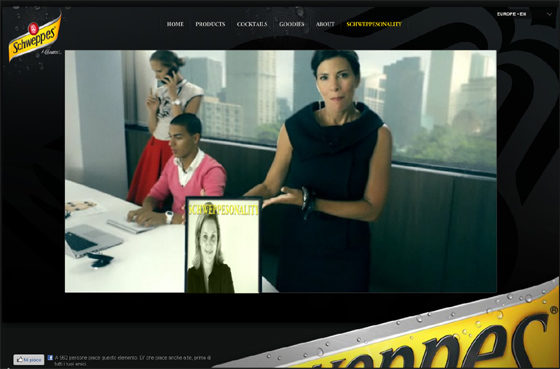
I loved The Hero, I very much enjoyed Lost in Val Sinestra. And I was now very curious to check out Schweppesonality. Unfortunately a part from the audio message at the beginning (with my name pronounced correctly), the experience is not as cool as I expected.
Interactive videos are a big challenge and to be honest I'd like to see more of them. I mean, as a consumer and a Facebook user I find them quite engaging and funny even if they aren't new to me. The point is that the plot makes the difference, especially if the budget you can invest in production is not as big as for the two campaigns I mentioned before. Maybe this is the lesson to share (and it is also not a new learning...): if you cannot bigger, then you need to go wilder. If you come second (or even worse, later), daring is the only way to success.
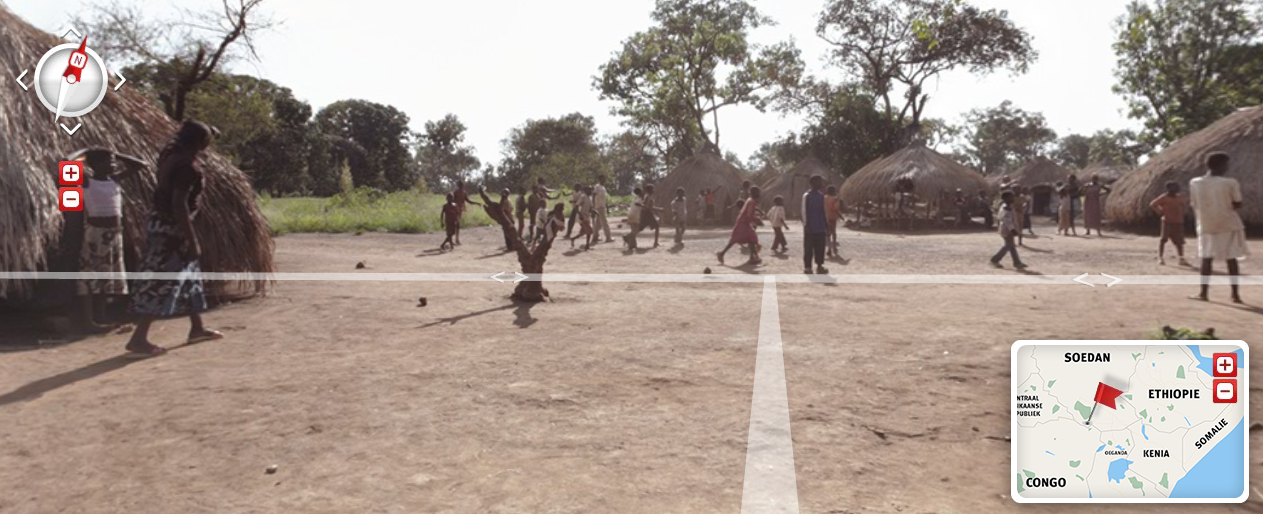
Intriguing campaign from The Netherlands. While you probably got triggered by the title, and want to see what it looks like, you didn't realize that Streetview Sudan is far from fun.
From Belgium, a great idea that will probably just remain a brilliant advertising idea. Young people tend to drive fast when they listen to music. So the Belgian road safety organization Parents of Child Road Victims has created an iPhone application that plays music and adapts the pace the song to the driver's speed.
When the driver drives too fast the music slows down or even stops if the speed is over 10 km/h than the speed limit. Great, fantastic idea. But why should I use an application to play music in my car that gets annoying when I'm driving too fast? Looks to be this is a good example of a useless brillant idea. Or maybe rather than an iPhone app you will uninstall after 10 minutes, this should become a mandatory feature for music players installed on cars (regardless of the drivers' age). What do you think?
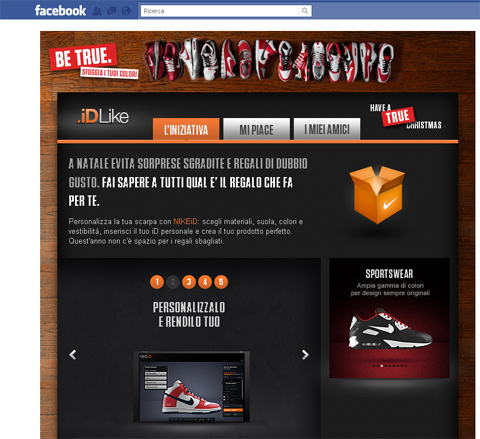
I'm happy to share with you my latest project with NIKEiD on Facebook. I'm sure that every year we all face the same problem with some of the presents we receive from our friends: they suck. Either you don't like them at all, or simply they are the number 99 pair of gloves you receive, the bath salts you won't use because you only own a shower, or the same red panties you received last year...
NIKE iDLIKE gives you the opportunity to share with your friends the ideal gift you'd like to receive for Christmas, the gift that fits your style or your performance needs. But NIKE iDLIKE also allows you to let your friends know with wit and irony your thoughts about the cheesy, useless or impersonal gifts they have give you in the past.
Unfortunately the Facebook App is only in Italian, so most of you won't be able to experience it at full. Anyway, if you check it out, I will be grateful if you could share your feedback on it.
The next level of gaming is social gaming. The next level of Facebook is probably attempting to become "the WEB" with no need for you to browse content anywhere else. The next level of sports marketing is giving you the opportunity to become a football star, if not in real life (see The Chance project), at least in the virtual world. All of this is summed up in I AM PLAYR an immersive social football gaming that will launch over the next few weeks.
Looking at the trailer, the project seems to be super promising (and not only because Nike is highly involved in this :-) But the question is whether this kind of social game will actually prove engaging to the picky audience of 14 to 18 years old football players wannabe who, as The Next Web points out, have shown no interest neither Mafia Wars nor Farmville.
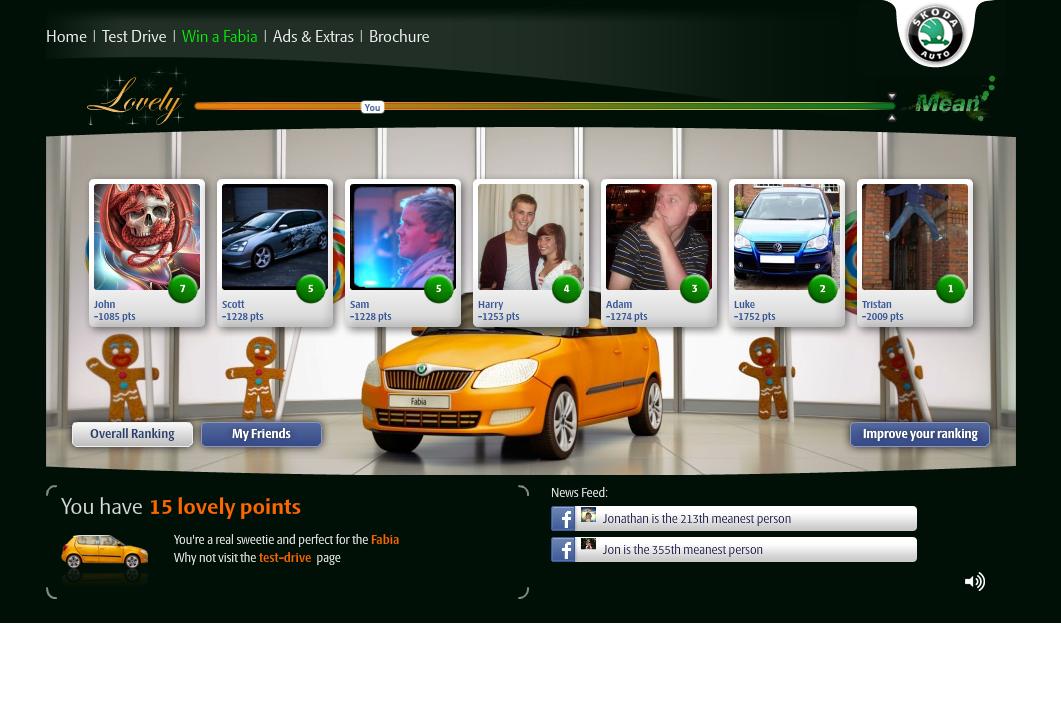
To support the new Skoda Fabia vRS TV spot we've created a split personality microsite. One half lovely, the other a little mean and to get people involved we're giving a car to both the meanest person in the UK and the loveliest. Using a combination of Facebook connect and a little help from your friends you must prove that you deserve the prize.
Old Spice is doing pretty well with it's recent video series, starring Isaiah "The Man Your Man Could Smell Like" Mustafa. Since February this year, they posted just over 20 video's on their YouTube channel, including a Cannes Grand Prix Film. All of the video's are watched over a million times, which makes it one of the most viewed commercial series ever. But today it got even better. They posted another 25 video's (and counting) in which the Old Spice guy personally thanks online influentials like Ellen Degeneres, Perez Hilton and Tim Nudd and random strangers for their link love and comments. And not only by name, but in a real 'I now who you are, and what you are up to' kinda way. This single tweet by Kevin Rose, with over a million Twitter followers, shows that this next level social media campaigning works like crazy.
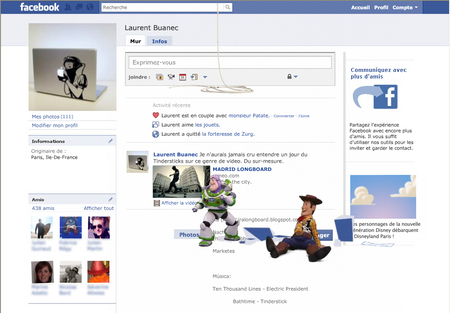
Great use of Facebook Connect by Disneyland Paris to celebrate the arrival of the New Generation in the French theme park. Pixar characters arrive on your Facebook wall. Nothing revolutionnary, but well executed, nice and entertaining.
Dulux "Let's colour"campaign is trying to transform, through color, all that abandoned and boring places that sometimes surround us. Besides the two sites, this is the tv-commercial presenting the whole thing:
I'm a big fan of this effort done by Orange and RockCorps altogether (first in the UK, then in France), called Orange Rockcorps, based on young people exchanging hours of volunteering for tickets to some really cool gigs:
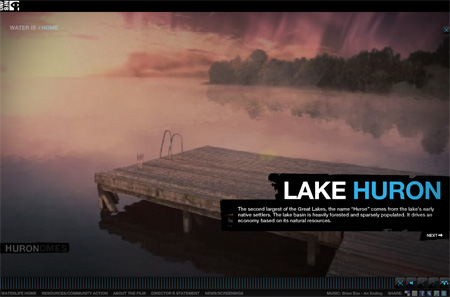
Waterlife is a movie that tells the story of the last great supply of fresh drinking water on Earth and the great distress that the Great Lakes are in. Its website is a nice one, with a nice soundtrack and a nice interface to provide several facts about water issues, guess i like because the old-simple-beautiful microsite still works when it has a story to be told :)